• Skip to main content

  • HOME
  • ARTISTS
  • CONTACT
  • WHAT’S NEW
  • Exhibitions
  • SEARCH

Artists

DARK LANDSCAPE WITH OAK TREE

July 2, 2025 by Kaitlin Bellune

5″ x 4″ watercolor on paper $500 date unknown

Please enable JavaScript in your browser to complete this form.
Loading

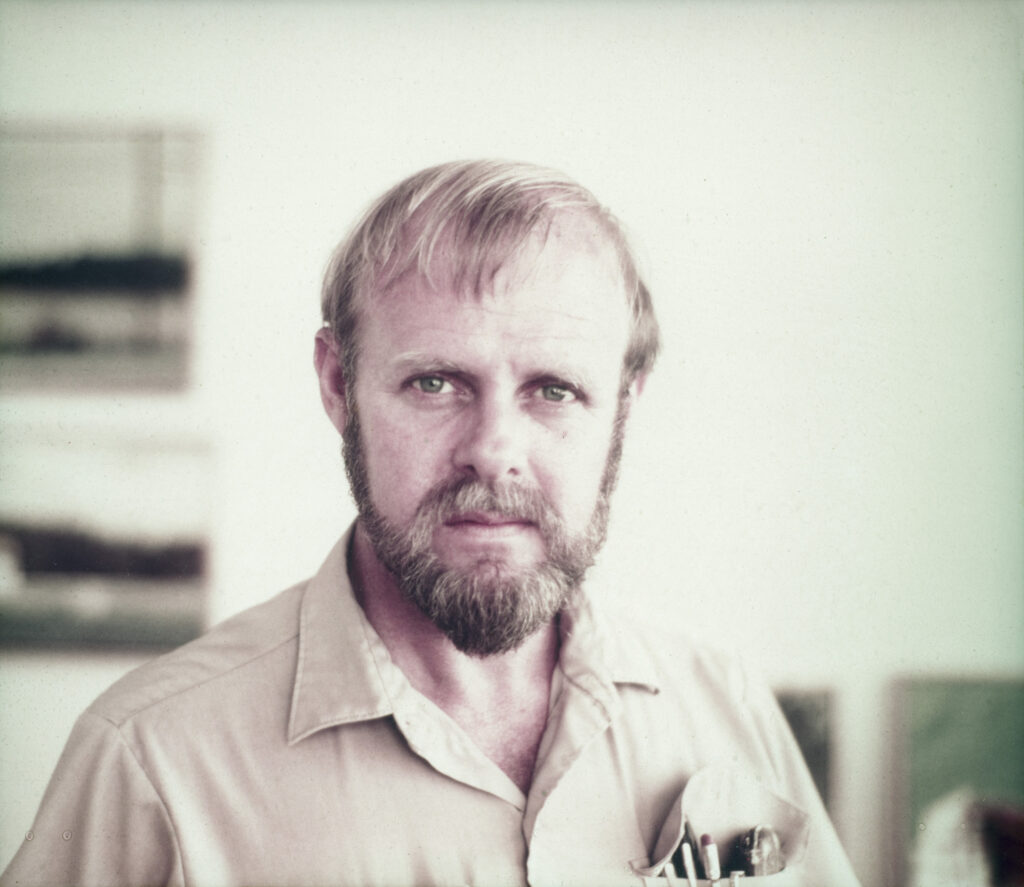
Manning Williams (1939–2012)

Manning Williams’s paintings are rooted in the history, traditions, and terrain of the South Carolina Lowcountry. A Charleston native and lifelong resident, he received his B.S. from the College of Charleston before pursuing graduate work at the Pennsylvania Academy of Fine Arts. After studying at the Academy, he returned to his hometown of Charleston. His highly personal approach to realist painting emphasized storytelling and was fueled by an interest in portraying subjects found on the periphery of the city and along the barrier islands. Williams embraced the common, the everyday, and the factual rather than picturesque beauty.

Western subjects also commanded Williams’s attention, and during the later years of his career, his concern with narrative was expressed in a more abstract style. Later in his career, Williams stated: “I consider myself a narrative painter. Yet times have changed the way we see the world. TV, movies, and the Internet pour out information faster than we could have imagined only a few years back. My work today is about finding a new way to narrate our times.”

Manning Williams’s work has been exhibited nationally and internationally, with solo shows in Charleston, New Orleans, Washington, at the University of Pennsylvania Museum of Archaeology and Art, and the Greenville Museum of Art. Group shows featuring his work included the “Second Story Show” at Piccolo Spoleto in 2002, “100 Years/100 Artists, Views From the 20th Century” at the South Carolina State Museum in 1999–2000, and “Old South, New South” at Winthrop College in 1995. In 2004, Williams and Linda Fantuzzo had a duo show at the Gibbes Museum of Art. In 2008, Williams had a solo show at the Florence Museum. Museum retrospectives were held in 2021 at the Gibbes Museum of Art and the Morris Museum.

Williams was named a 1991 Fellow by the South Carolina Arts Commission in recognition of his contributions to the visual arts in the state. His most well-known commissions were displayed at the Charleston Airport, East Cooper Hospital, and the Gaillard Auditorium. His work is included in public and corporate collections, among them the South Carolina Arts Commission, R.J. Reynolds Corporation, Citizens and Southern National Bank, Post & Courier Publishing Company, Kiawah Resort Association, Greenville County Museum, South Carolina State Museum, the Gibbes Museum of Art, and the Telfair Museum.
Filed Under: Manning Williams

NEW JERSEY SKY (AP 26)

July 2, 2025 by Kaitlin Bellune

5.5″ x 8.5″ watercolor on paper $1000 date unknown

Please enable JavaScript in your browser to complete this form.
Loading

Manning Williams (1939–2012)

Manning Williams’s paintings are rooted in the history, traditions, and terrain of the South Carolina Lowcountry. A Charleston native and lifelong resident, he received his B.S. from the College of Charleston before pursuing graduate work at the Pennsylvania Academy of Fine Arts. After studying at the Academy, he returned to his hometown of Charleston. His highly personal approach to realist painting emphasized storytelling and was fueled by an interest in portraying subjects found on the periphery of the city and along the barrier islands. Williams embraced the common, the everyday, and the factual rather than picturesque beauty.

Western subjects also commanded Williams’s attention, and during the later years of his career, his concern with narrative was expressed in a more abstract style. Later in his career, Williams stated: “I consider myself a narrative painter. Yet times have changed the way we see the world. TV, movies, and the Internet pour out information faster than we could have imagined only a few years back. My work today is about finding a new way to narrate our times.”

Manning Williams’s work has been exhibited nationally and internationally, with solo shows in Charleston, New Orleans, Washington, at the University of Pennsylvania Museum of Archaeology and Art, and the Greenville Museum of Art. Group shows featuring his work included the “Second Story Show” at Piccolo Spoleto in 2002, “100 Years/100 Artists, Views From the 20th Century” at the South Carolina State Museum in 1999–2000, and “Old South, New South” at Winthrop College in 1995. In 2004, Williams and Linda Fantuzzo had a duo show at the Gibbes Museum of Art. In 2008, Williams had a solo show at the Florence Museum. Museum retrospectives were held in 2021 at the Gibbes Museum of Art and the Morris Museum.

Williams was named a 1991 Fellow by the South Carolina Arts Commission in recognition of his contributions to the visual arts in the state. His most well-known commissions were displayed at the Charleston Airport, East Cooper Hospital, and the Gaillard Auditorium. His work is included in public and corporate collections, among them the South Carolina Arts Commission, R.J. Reynolds Corporation, Citizens and Southern National Bank, Post & Courier Publishing Company, Kiawah Resort Association, Greenville County Museum, South Carolina State Museum, the Gibbes Museum of Art, and the Telfair Museum.

Filed Under: Manning Williams

MARSHES ON CAPE MAY (AP. 24)

July 2, 2025 by Kaitlin Bellune

5.5″ x 8.5″ watercolor on paper $1000 c. 1963

Please enable JavaScript in your browser to complete this form.
Loading

Manning Williams (1939–2012)

Manning Williams’s paintings are rooted in the history, traditions, and terrain of the South Carolina Lowcountry. A Charleston native and lifelong resident, he received his B.S. from the College of Charleston before pursuing graduate work at the Pennsylvania Academy of Fine Arts. After studying at the Academy, he returned to his hometown of Charleston. His highly personal approach to realist painting emphasized storytelling and was fueled by an interest in portraying subjects found on the periphery of the city and along the barrier islands. Williams embraced the common, the everyday, and the factual rather than picturesque beauty.

Western subjects also commanded Williams’s attention, and during the later years of his career, his concern with narrative was expressed in a more abstract style. Later in his career, Williams stated: “I consider myself a narrative painter. Yet times have changed the way we see the world. TV, movies, and the Internet pour out information faster than we could have imagined only a few years back. My work today is about finding a new way to narrate our times.”

Manning Williams’s work has been exhibited nationally and internationally, with solo shows in Charleston, New Orleans, Washington, at the University of Pennsylvania Museum of Archaeology and Art, and the Greenville Museum of Art. Group shows featuring his work included the “Second Story Show” at Piccolo Spoleto in 2002, “100 Years/100 Artists, Views From the 20th Century” at the South Carolina State Museum in 1999–2000, and “Old South, New South” at Winthrop College in 1995. In 2004, Williams and Linda Fantuzzo had a duo show at the Gibbes Museum of Art. In 2008, Williams had a solo show at the Florence Museum. Museum retrospectives were held in 2021 at the Gibbes Museum of Art and the Morris Museum.

Williams was named a 1991 Fellow by the South Carolina Arts Commission in recognition of his contributions to the visual arts in the state. His most well-known commissions were displayed at the Charleston Airport, East Cooper Hospital, and the Gaillard Auditorium. His work is included in public and corporate collections, among them the South Carolina Arts Commission, R.J. Reynolds Corporation, Citizens and Southern National Bank, Post & Courier Publishing Company, Kiawah Resort Association, Greenville County Museum, South Carolina State Museum, the Gibbes Museum of Art, and the Telfair Museum.

Filed Under: Manning Williams

DESERT LANDSCAPE

July 2, 2025 by Kaitlin Bellune

5.5″ x 8.5″ watercolor on paper $1000 c. 1973

Please enable JavaScript in your browser to complete this form.
Loading

Manning Williams (1939–2012)

Manning Williams’s paintings are rooted in the history, traditions, and terrain of the South Carolina Lowcountry. A Charleston native and lifelong resident, he received his B.S. from the College of Charleston before pursuing graduate work at the Pennsylvania Academy of Fine Arts. After studying at the Academy, he returned to his hometown of Charleston. His highly personal approach to realist painting emphasized storytelling and was fueled by an interest in portraying subjects found on the periphery of the city and along the barrier islands. Williams embraced the common, the everyday, and the factual rather than picturesque beauty.

Western subjects also commanded Williams’s attention, and during the later years of his career, his concern with narrative was expressed in a more abstract style. Later in his career, Williams stated: “I consider myself a narrative painter. Yet times have changed the way we see the world. TV, movies, and the Internet pour out information faster than we could have imagined only a few years back. My work today is about finding a new way to narrate our times.”

Manning Williams’s work has been exhibited nationally and internationally, with solo shows in Charleston, New Orleans, Washington, at the University of Pennsylvania Museum of Archaeology and Art, and the Greenville Museum of Art. Group shows featuring his work included the “Second Story Show” at Piccolo Spoleto in 2002, “100 Years/100 Artists, Views From the 20th Century” at the South Carolina State Museum in 1999–2000, and “Old South, New South” at Winthrop College in 1995. In 2004, Williams and Linda Fantuzzo had a duo show at the Gibbes Museum of Art. In 2008, Williams had a solo show at the Florence Museum. Museum retrospectives were held in 2021 at the Gibbes Museum of Art and the Morris Museum.

Williams was named a 1991 Fellow by the South Carolina Arts Commission in recognition of his contributions to the visual arts in the state. His most well-known commissions were displayed at the Charleston Airport, East Cooper Hospital, and the Gaillard Auditorium. His work is included in public and corporate collections, among them the South Carolina Arts Commission, R.J. Reynolds Corporation, Citizens and Southern National Bank, Post & Courier Publishing Company, Kiawah Resort Association, Greenville County Museum, South Carolina State Museum, the Gibbes Museum of Art, and the Telfair Museum.

Filed Under: Manning Williams

82 TO PORT ARTHUR

July 2, 2025 by Kaitlin Bellune

5.75″ x 7.75″ watercolor on paper SOLD date unknown

Please enable JavaScript in your browser to complete this form.
Loading

Manning Williams (1939–2012)

Manning Williams’s paintings are rooted in the history, traditions, and terrain of the South Carolina Lowcountry. A Charleston native and lifelong resident, he received his B.S. from the College of Charleston before pursuing graduate work at the Pennsylvania Academy of Fine Arts. After studying at the Academy, he returned to his hometown of Charleston. His highly personal approach to realist painting emphasized storytelling and was fueled by an interest in portraying subjects found on the periphery of the city and along the barrier islands. Williams embraced the common, the everyday, and the factual rather than picturesque beauty.

Western subjects also commanded Williams’s attention, and during the later years of his career, his concern with narrative was expressed in a more abstract style. Later in his career, Williams stated: “I consider myself a narrative painter. Yet times have changed the way we see the world. TV, movies, and the Internet pour out information faster than we could have imagined only a few years back. My work today is about finding a new way to narrate our times.”

Manning Williams’s work has been exhibited nationally and internationally, with solo shows in Charleston, New Orleans, Washington, at the University of Pennsylvania Museum of Archaeology and Art, and the Greenville Museum of Art. Group shows featuring his work included the “Second Story Show” at Piccolo Spoleto in 2002, “100 Years/100 Artists, Views From the 20th Century” at the South Carolina State Museum in 1999–2000, and “Old South, New South” at Winthrop College in 1995. In 2004, Williams and Linda Fantuzzo had a duo show at the Gibbes Museum of Art. In 2008, Williams had a solo show at the Florence Museum. Museum retrospectives were held in 2021 at the Gibbes Museum of Art and the Morris Museum.

Williams was named a 1991 Fellow by the South Carolina Arts Commission in recognition of his contributions to the visual arts in the state. His most well-known commissions were displayed at the Charleston Airport, East Cooper Hospital, and the Gaillard Auditorium. His work is included in public and corporate collections, among them the South Carolina Arts Commission, R.J. Reynolds Corporation, Citizens and Southern National Bank, Post & Courier Publishing Company, Kiawah Resort Association, Greenville County Museum, South Carolina State Museum, the Gibbes Museum of Art, and the Telfair Museum.

Filed Under: Manning Williams

LANDSCAPE WITH BUILDING (WEST OF BIRMINGHAM)

July 2, 2025 by Kaitlin Bellune

5.5″ x 7.5″ watercolor on paper $1000 c. 2010

Please enable JavaScript in your browser to complete this form.
Loading

Manning Williams (1939–2012)

Manning Williams’s paintings are rooted in the history, traditions, and terrain of the South Carolina Lowcountry. A Charleston native and lifelong resident, he received his B.S. from the College of Charleston before pursuing graduate work at the Pennsylvania Academy of Fine Arts. After studying at the Academy, he returned to his hometown of Charleston. His highly personal approach to realist painting emphasized storytelling and was fueled by an interest in portraying subjects found on the periphery of the city and along the barrier islands. Williams embraced the common, the everyday, and the factual rather than picturesque beauty.

Western subjects also commanded Williams’s attention, and during the later years of his career, his concern with narrative was expressed in a more abstract style. Later in his career, Williams stated: “I consider myself a narrative painter. Yet times have changed the way we see the world. TV, movies, and the Internet pour out information faster than we could have imagined only a few years back. My work today is about finding a new way to narrate our times.”

Manning Williams’s work has been exhibited nationally and internationally, with solo shows in Charleston, New Orleans, Washington, at the University of Pennsylvania Museum of Archaeology and Art, and the Greenville Museum of Art. Group shows featuring his work included the “Second Story Show” at Piccolo Spoleto in 2002, “100 Years/100 Artists, Views From the 20th Century” at the South Carolina State Museum in 1999–2000, and “Old South, New South” at Winthrop College in 1995. In 2004, Williams and Linda Fantuzzo had a duo show at the Gibbes Museum of Art. In 2008, Williams had a solo show at the Florence Museum. Museum retrospectives were held in 2021 at the Gibbes Museum of Art and the Morris Museum.

Williams was named a 1991 Fellow by the South Carolina Arts Commission in recognition of his contributions to the visual arts in the state. His most well-known commissions were displayed at the Charleston Airport, East Cooper Hospital, and the Gaillard Auditorium. His work is included in public and corporate collections, among them the South Carolina Arts Commission, R.J. Reynolds Corporation, Citizens and Southern National Bank, Post & Courier Publishing Company, Kiawah Resort Association, Greenville County Museum, South Carolina State Museum, the Gibbes Museum of Art, and the Telfair Museum.

Filed Under: Manning Williams

WHITE LIGHT

June 24, 2025 by Kaitlin Bellune

12″ x 16″ acrylic on linen $3400

Please enable JavaScript in your browser to complete this form.
Loading

Linda Fantuzzo spent her childhood in Endicott, NY, where she created images from an early age. In 1968 she went to Philadelphia to study at The Pennsylvania Academy of Fine Arts and graduated in 1973. She then moved to Charleston, SC, and continues to work full time in her studio near the harbor. The quality of light and the beauty of the architecture first attracted Linda to the region, where she continues to enjoy its vital arts community.

Linda worked non-objectively in various media for over ten years and then chose to return to painting representationally. She has been represented by galleries in the Charleston area since the 1970s, and has enjoyed five solo museum exhibitions in SC and GA. Linda is active in the arts community, having served on panels for the SC State Arts Commission Acquisitions Committee, the Halsey Institute of Contemporary Art, Redux, and the Trident Region Arts & Culture Plan. She has served as a juror for several public galleries and was the project director for “Larger Than Life: A Second Story Show”, sponsored by the Charleston Office of Cultural Affairs during the Piccolo Spoleto Festival.

Linda’s paintings are represented in the collections of the Greenville County Museum of Art, Greenville, SC; Gibbes Museum of Art, Charleston, SC; South Carolina State Arts Commission Collection, Columbia,SC; The Burroughs-Chapin Museum, Myrtle Beach, SC; the River Course and Cassique Clubs of Kiawah, SC; the Doonbeg Club of County Clare, Ireland; several other public collections; and numerous private collections throughout the country.

Filed Under: Linda Fantuzzo, Uncategorized

ANYIKA

May 8, 2025 by Kaitlin Bellune

20″ x 16.5″ framed 13″ x 8.75″ unframed glass beads and rhinestones on canvas SOLD

Anyika is a portrait of a Gullah Geechee woman, depicted as an emblem of sovereignty drawn from the unbroken thread of Gullah Geechee lineage. Reimagined as a queen of her time, she stands as an honored vessel of ancestral knowledge, shaped by salt, air, oral histories, and the quiet power of survival. Radiating dignity and quiet majesty, her presence transcends portraiture. This work speaks to a broader mission within Big Chief Demond Melancon’s practice to reposition African diasporic identity by reframing memory and cultural legacy, especially of those historically overlooked in dominant narratives. In Anyika, history is not just remembered, it is rewritten into permanence, where Gullah Geechee women are seen with the reverence they have always deserved.

Please enable JavaScript in your browser to complete this form.
Loading

Demond Melancon

Demond Melancon (b. 1978) works solely with a needle and thread to sew glass beads onto canvas. He began this practice in 1992 when he first became part of the Black Masking Culture of New Orleans, a culture whose roots are woven through more than two centuries of history. Big Chief Demond Melancon is well known for creating massive Suits as a Black Masker. His Suits are sculptural forms based on the size of his body which are composed of intricate, hand-sewn beadwork revealing a collective visual narrative. In 2017, Melancon pioneered an emerging contemporary art practice using the same beading techniques he’s been refining over the past 30 years in the Black Masking Culture.

Melancon’s work has been included in exhibitions at the Victoria & Albert Museum, London; Museum of Contemporary African Diasporan Art, Brooklyn, NY; Halsey Institute of Contemporary Art, Charleston, SC; Kalamazoo Institute of Arts, Kalamazoo, MI; Haus der Welt der Kulturen, Berlin; Art Gallery of New South Wales, Sydney; and the Arthur Roger Gallery, New Orleans, LA. His work is included in the collections of the International African American Museum, Toledo Museum of Art, Birmingham Museum of Art, and the LSU Museum of Art. In a span of two years, Demond Melancon was honored with the Joan Mitchell Foundation Fellowship in 2023 and the Gibbes Museum and Society 1858’s Prize for Contemporary Southern Art in 2024.

As a self-taught artist, Melancon has been heavily influenced by the teachings of Kerry James Marshall. Often reflecting untold stories from bygone pasts, many of his works honor Black subjects historically excluded from the artistic canon while confronting stereotypical representations of Black identity. The potency of Melancon’s work is reinforced by his deep interest in exploring the possibilities of visual storytelling and redefining the traditions of portraiture. Demond Melancon is one of the few artists to pioneer the use of glass beads as an accepted medium in the larger contemporary arts sector. By reconsidering predominant narratives, Melancon deliberately repositions historically overlooked subjects and reimagines institutional portrayal of the Black subject.

Filed Under: Demond Melancon

  • « Go to Previous Page
  • Page 1
  • Interim pages omitted …
  • Page 24
  • Page 25
  • Page 26
  • Page 27
  • Page 28
  • Interim pages omitted …
  • Page 31
  • Go to Next Page »
  • HOME
  • ARTISTS
  • CONTACT
  • WHAT’S NEW
  • Exhibitions
  • SEARCH

Copyright © 2026 · Peter Anthony Fine Art